Serious Injuries
Deserve Serious
Representation.
Experience
Strategy
Personal Attention
An Arizona rideshare accident lawyer at Hartley Law Car Accident & Injury Lawyers can protect you after a serious Uber, Lyft, or driverless rideshare crash. You may be facing surgery, missed paychecks, and adjusters pressing you for a recorded statement. Rideshare claims can involve the driver's insurer, the rideshare company's coverage, and another motorist, and each one has a reason to point at the others.
That confusion is where insurers gain ground, and we won't give them that advantage. Our team locks down app data, identifies every policy that may apply, and pushes back hard when an insurer tries to shift blame onto you. Call Hartley Law at (602) 529-2222 for a free case evaluation anywhere in Arizona.

Insurance companies treat rideshare crashes like a puzzle they can solve in their favor. Hartley Law treats them like high-stakes litigation from the first call.
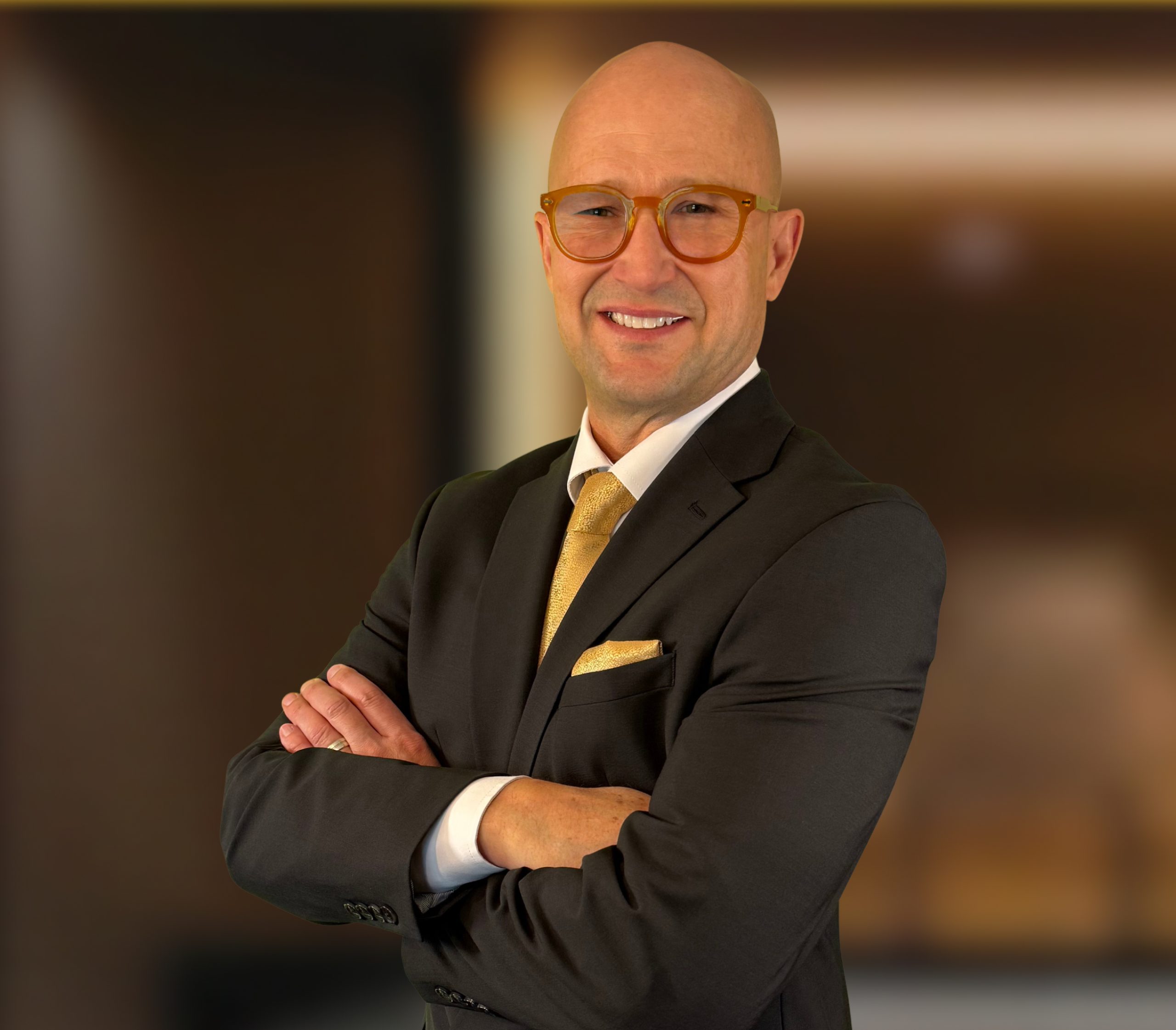
Founding attorney Matt Hartley was a partner at one of the world's largest law firms. He represented Fortune 500 corporations and NFL, MLB, and NHL teams in matters involving more than $1 billion.
Now, that strategy works for injured Arizonans. We are not a volume practice, and your case will not be handed off to an intake desk. After a rideshare crash, our team:
We handle rideshare accident cases on a contingency fee basis, so you pay no attorney fees upfront.
Rideshare coverage in Arizona changes with the driver's app status. Here are the minimums at each stage under A.R.S. § 28-4038:
During an active ride, the driver or the rideshare company must also carry primary commercial uninsured motorist coverage. Under A.R.S. § 28-9551, a ride begins when the driver accepts the request and ends when the passenger exits, or the trip is canceled.
Insurers may claim the driver was off the app or not yet en route, because each answer points to a smaller policy. Our Uber and Lyft accident lawyers challenge those positions with the trip data.
Rideshare crashes injure more than the person in the back seat.
Passengers rarely cause the crash, yet they still have to prove who did. When a passenger is in the vehicle, Arizona requires at least $1,000,000 in liability coverage. Our Arizona Uber accident lawyer team pursues claims against the rideshare driver, another motorist, or both.
A rideshare driver watching the app instead of the road can cause a violent collision in seconds. If you were in another vehicle, the available coverage depends on what that app showed at impact. Our Arizona Lyft accident lawyer team investigates that status early.
People on foot or on a bike have no protection when a rideshare vehicle swerves toward a pickup point. These crashes can cause fractures, head trauma, and spinal injuries. We build pedestrian accident claims around the driver's conduct and the policy in force at that moment.
Drivers get hurt too, sometimes by uninsured or careless motorists. During an active ride, Arizona requires the driver or rideshare company to carry uninsured motorist coverage. We help injured drivers pursue the at-fault motorist's insurer and any other applicable coverage source.
Driverless ride-hailing is part of daily traffic in the Valley. Waymo's service area now covers roughly 350 square miles, including parts of Phoenix, Scottsdale, and Tempe, according to KJZZ's reporting on the latest expansion.
Under A.R.S. § 28-9704, these driverless networks may operate under Arizona's rideshare company rules, except for provisions that by nature apply only to a human driver. With no one behind the wheel, the investigation shifts. We focus on the vehicle's recorded data, the company's incident records, and any other driver or road condition that contributed.
No formula sets the value of a rideshare claim. Value depends on the severity of your injuries, the cost of future care, your lost income, and how clearly the evidence shows fault. Available insurance matters too, which is why app status sits at the center of every case.
Arizona's Constitution bars any law that limits the amount of damages recovered for injury or death under Article 2, Section 31. If your case goes to trial, a jury decides what your losses are worth, not a statutory cap.
Injured people may pursue both financial and personal losses. Economic damages cover losses with a dollar figure attached:
Non-economic damages reflect how the injury changed your life:
Yes. Under A.R.S. § 12-2505, being partly at fault does not bar your claim; instead, your damages are reduced in proportion to your share of fault. That rule does not help someone who intentionally, willfully, or wantonly caused the injury.
For example, if a jury finds you 20% at fault, your damages drop by 20%. Insurers understand this math, which is why they may work to inflate your share. The same rule governs Arizona car accident claims, and we push back on every attempt to shift blame.
To prove negligence, you must show that a driver or company owed you a duty of care, breached it, and caused your injuries and losses. Rideshare cases depend on records that can vanish quickly. The evidence we pursue includes the following:
During a coverage investigation, Arizona law requires the rideshare company and the insurers involved to exchange the driver's exact login and logoff times for the 24 hours before the crash. We press for that timeline because it can decide which policy applies.
Under A.R.S. § 12-542, you generally have 2 years after the cause of action accrues to file a personal injury lawsuit. If a loved one died from rideshare crash injuries, the 2-year period for that claim runs from the date of death.
Two years can pass quickly during recovery, and evidence fades sooner. Contact us early so we can preserve the records your claim needs.
Arizona requires primary liability coverage at lower limits while a driver is logged in but has not accepted a request. Serious injuries can exceed those limits, so we also look for other coverage, such as your own underinsured motorist policy.
Not under the statutory minimums. Once the driver accepts a request, Arizona requires at least $250,000 per incident, and the $1,000,000 minimum applies when a passenger is in the vehicle. A company may carry more, so we confirm the actual policy terms.
You may still have a claim. Save your trip details and photos, and contact us quickly so we can request the vehicle data early.
Yes, if another motorist caused the crash, you may pursue that driver's insurer. During an active ride, Arizona also requires uninsured motorist coverage, which may apply if the at-fault driver has no insurance.
It may be. Under Arizona law, a personal auto policy does not have to cover a driver who is logged in to a rideshare app unless the policy or an endorsement expressly provides that coverage. We review your policy and pursue the coverage that does apply.
Screenshot the trip in the app, save your receipt, and photograph the vehicles, plates, and your injuries. Ask the driver for proof of insurance, which Arizona requires rideshare drivers to provide at the scene. Then talk to us before giving any recorded statement.
Rideshare companies and their insurers begin protecting their interests as soon as a crash is reported. You should have someone protecting yours with the same urgency.
Hartley Law Car Accident & Injury Lawyers represents injured people throughout Arizona from offices in Phoenix, Tempe, and Scottsdale. Call an Arizona rideshare accident lawyer at (602) 529-2222, or contact us online for a free case evaluation.
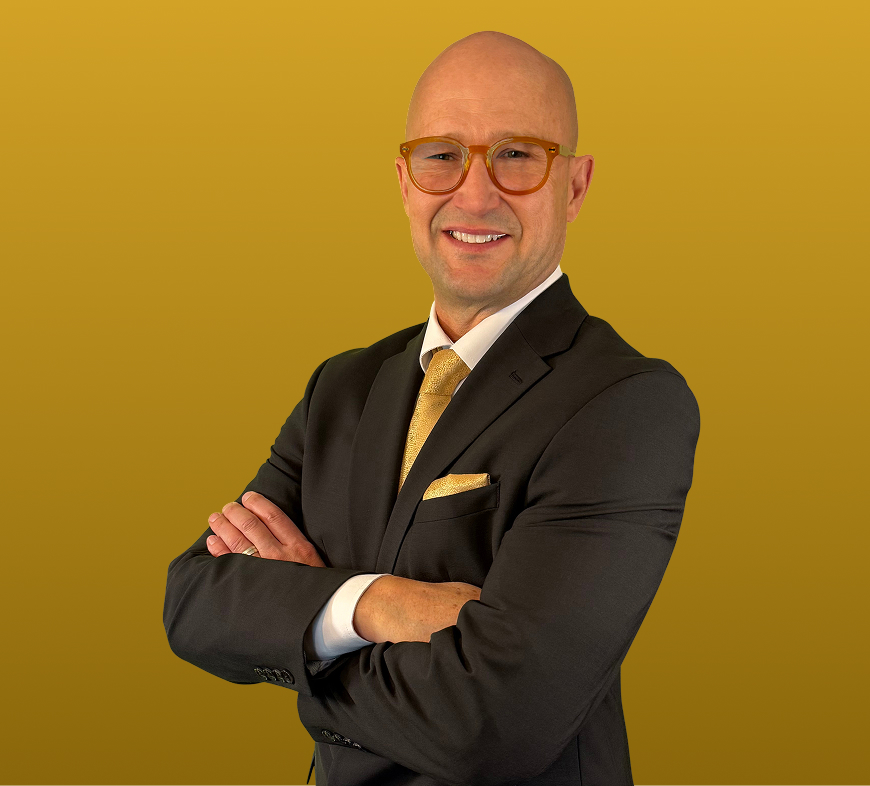
Matt Hartley, founder of Hartley Law, is an Arizona personal injury attorney who brings Fortune 500 strategy to injured individuals and families. A former partner at one of the world’s largest law firms, he represented major corporations and professional sports teams in matters involving more than $1 billion. He brings thorough preparation, strategic thinking, and focused advocacy to every injury case, helping clients pursue justice and fair compensation.
Practice Areas



Hartley Law represents Arizona car accident clients with an emphasis on strategy, preparation, and personal attention. If your injuries have had a meaningful impact on your life or livelihood, we can help you understand the next step.